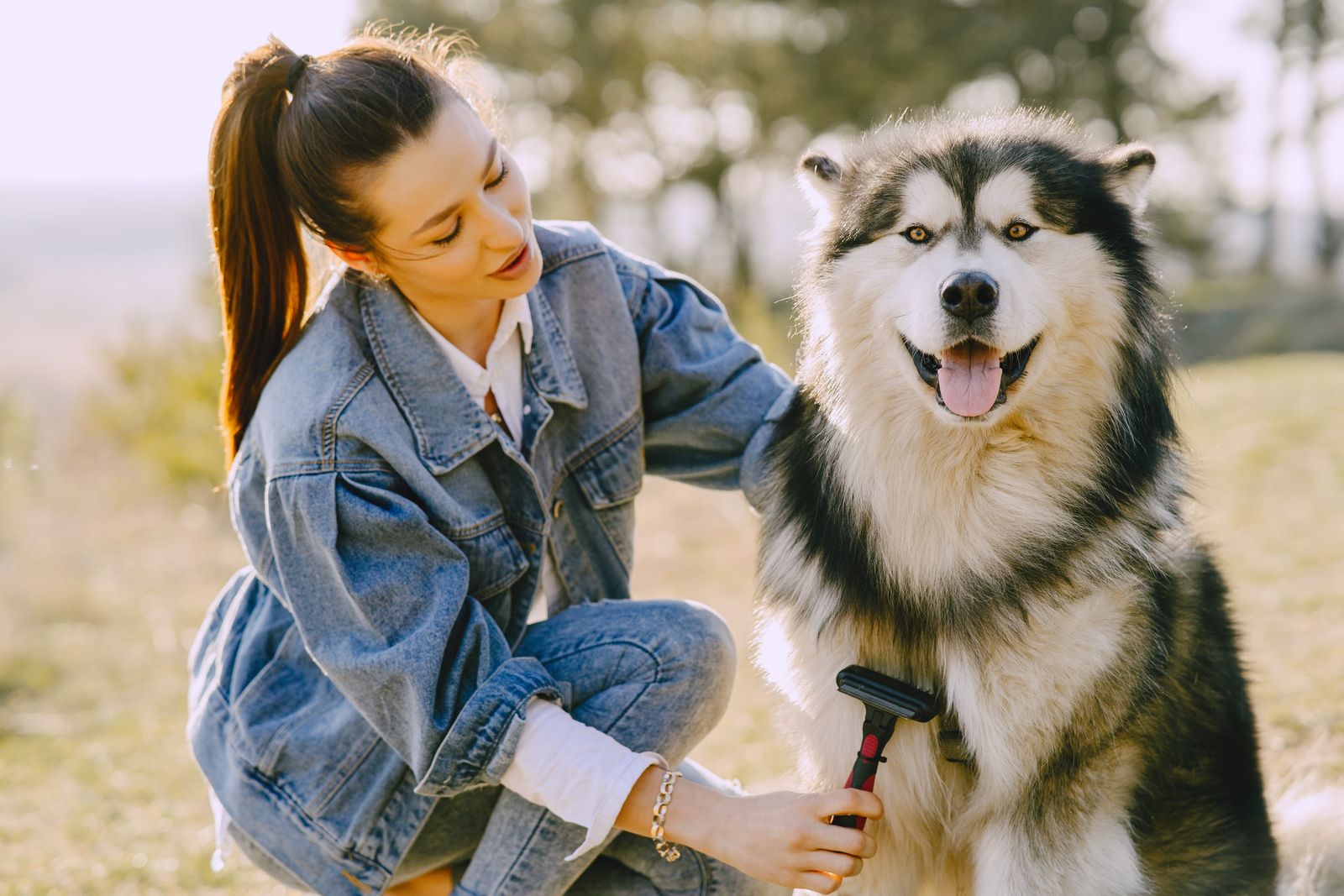
Double-coated dogs blow their coat twice a year, typically in spring (March through May) and fall (September through November). The timing is triggered by changing daylight hours, not temperature, and each blow usually lasts three to eight weeks. During this time, your dog will shed their entire undercoat in dramatic clumps, leaving clouds of fur around your home.
What does it mean when a double-coated dog blows their coat?
Blowing coat is the seasonal shedding of the entire undercoat, not just a few extra loose hairs. Double-coated dogs have two layers of fur: a dense, fluffy undercoat that provides insulation and longer, coarser guard hairs on top that protect against weather and abrasion. When a dog blows their coat, that entire undercoat releases over a period of weeks, making room for new seasonal growth.
This is different from daily shedding. All dogs lose individual hairs year-round as part of the normal hair growth cycle. Coat blowing is a wholesale replacement event where you will see tufts and mats of undercoat coming out in handfuls when you brush or even just pet your dog.
Common double-coated breeds include:
- Siberian Huskies
- Alaskan Malamutes
- Golden Retrievers
- German Shepherds
- Samoyeds
- Collies (Rough and Smooth)
- Australian Shepherds
- Pomeranians
- Shetland Sheepdogs
- Chow Chows
- Akitas
If you own one of these breeds, expect two major shedding events every year.
When do double-coated dogs typically blow their coat?
Most double-coated dogs blow their coat twice a year: once in spring and once in fall. The spring blow happens between March and May, when dogs shed the heavy winter undercoat they grew for cold-weather insulation. The fall blow runs from September through November, when they shed the lighter summer coat to make room for the thick winter undercoat.
The timing is driven by photoperiod, which is the length of daylight your dog is exposed to each day. As daylight hours increase in spring, hormonal signals tell the body to release the winter coat. As daylight shortens in fall, the cycle reverses. Temperature plays a smaller role. A warm February day will not trigger an early blow, and a cold snap in May will not stop one that has already started.
Indoor dogs often have less predictable blow cycles. Artificial lighting, central heating, and air conditioning blur the natural daylight cues that regulate coat growth. Some indoor dogs still blow on schedule, while others shed more steadily year-round or have irregular, lighter blows.
Geography also matters. Dogs in southern states may start their spring blow earlier (late February or early March), while dogs in northern climates may not begin until late April. The reverse is true in fall.
How long does coat blowing last?
A typical coat blow lasts three to eight weeks from start to finish. The heaviest shedding usually happens in the middle two to three weeks, when you will see the largest volume of loose fur. Before and after that peak, shedding tapers gradually.
Several factors affect how long the blow lasts:
- Coat density: Dogs with thicker undercoats (Malamutes, Samoyeds) may blow for longer than dogs with lighter coats (some Golden Retrievers).
- Size: Larger dogs have more coat to shed, which can extend the process by a week or two.
- Brushing frequency: Regular brushing speeds up the blow by physically removing loose undercoat that would otherwise come out slowly on its own.
- Health and nutrition: Dogs on high-quality diets with adequate protein and fatty acids tend to shed more efficiently. Skin or coat health issues can delay or prolong shedding.
- Age: First-time coat blows in puppies (around six to twelve months) may be shorter and lighter than adult blows.
Once your dog has been through a few cycles, you will get a sense of their personal timeline. Some dogs are done in three weeks flat, others take the full eight.
What triggers a dog to blow their coat?
Changing daylight hours are the primary trigger for coat blowing. Your dog’s eyes detect the length of daylight each day, and that information is processed by the pineal gland in the brain. The gland produces melatonin in response to darkness, and shifting melatonin levels signal the body to begin or stop growing undercoat.
In spring, lengthening days tell the body to shed the winter coat. In fall, shortening days trigger the growth of a new winter undercoat and the shedding of the lighter summer coat. This photoperiod mechanism is remarkably consistent across breeds and geographies, which is why spring and fall blows happen like clockwork for most outdoor or partially outdoor dogs.
Temperature is a secondary factor. Extreme heat or cold can influence the speed or intensity of a blow once it has started, but temperature alone will not start or stop the cycle. This is why dogs in heated homes still blow their coats even though they never experience true winter cold.
Indoor dogs with year-round artificial lighting may have blunted or irregular blow cycles. Constant exposure to electric lights disrupts the natural photoperiod cues. Some indoor dogs still blow twice a year, just less dramatically. Others shed more evenly throughout the year instead of having two distinct peaks.
Stress, illness, pregnancy, and poor nutrition can all delay or alter coat blow timing. If your dog’s coat blow seems unusually late, light, or absent, and you notice other health or behavior changes, check in with your vet.
How can you manage coat blowing at home?
Daily brushing during a coat blow is the most effective way to manage the fur before it ends up on your floors, furniture, and clothing. Use an undercoat rake or slicker brush designed to reach through the guard hairs and pull out the loose undercoat. A few minutes of brushing each day will remove more fur than an hour of vacuuming.
Start at the dog’s rear and work forward, brushing in the direction of hair growth. Pay attention to areas where the undercoat mats easily: behind the ears, under the collar, the armpits, and the back of the thighs. You should see large clumps of soft, fluffy fur coming out with each stroke. This is normal and healthy.
Some owners bathe their dog at the start of a blow to help loosen dead fur. A thorough bath followed by a blow-dry and brushing session can remove a significant amount of undercoat in one go. This is optional, not required.
Vacuum frequently. Even with daily brushing, loose fur will still make its way onto surfaces. Accept that your home will be fuzzier than usual for a few weeks each spring and fall.
Do not shave a double coat. Shaving disrupts the coat’s natural insulation and protection, and it can permanently damage regrowth. The guard hairs may grow back unevenly or not at all, and the undercoat can become patchy or overly dense. Double coats are designed to regulate temperature in both heat and cold. Removing them does not keep your dog cooler in summer and can actually make them more vulnerable to sunburn and overheating.
If you are looking for grooming tools designed for double-coated dogs, The Double Coat Kit includes one handle, an undercoat rake, a self-cleaning slicker, fine-tooth finisher heads, and a couch and car hair remover. It is made for double-coated dogs. Full disclosure: Leash & Litter is published by SheddyMate, the company that makes this kit.
Frequently Asked Questions
Do all double-coated dogs blow their coat twice a year?
Most double-coated dogs blow their coat twice a year, in spring and fall. However, indoor dogs with year-round climate control and artificial lighting may have less pronounced or irregular blows. Some dogs may shed more steadily throughout the year instead of having two distinct heavy sheds. Genetics, health, and environment all play a role in individual shedding patterns.
Can you stop a dog from blowing their coat?
No, coat blowing is a natural, healthy process driven by changing daylight hours. You cannot and should not try to stop it. Shaving a double coat does not prevent shedding and can damage the coat’s regrowth and insulation properties. The best approach is regular brushing during the blow to manage loose fur and keep your dog comfortable.
How do you know when your dog is blowing their coat?
You will see a dramatic increase in loose fur that comes out in clumps or tufts when you brush or pet your dog. The undercoat will look patchy or wispy as it sheds. You may notice clouds of fur around the house, on furniture, and stuck to clothing. The shedding is much heavier than normal daily shedding and typically lasts several weeks.
Do double-coated puppies blow their coat?
Double-coated puppies experience their first coat blow when they transition from puppy coat to adult coat, usually between six and twelve months of age. This first blow may be lighter or less predictable than adult coat blows. After the adult coat is fully grown in, the dog will settle into the typical twice-yearly spring and fall blowing cycle.
Is it normal for a dog to blow their coat in winter?
It is uncommon but possible, especially for indoor dogs with artificial lighting and climate control. A winter coat blow may indicate disrupted photoperiod cues or stress. If your dog is otherwise healthy, eating well, and not showing skin issues, an off-season blow is usually not a concern. If you notice bald patches, skin irritation, or behavior changes, consult your vet.
What is the difference between shedding and blowing coat?
Shedding is the normal, year-round loss of individual hairs as part of the hair growth cycle. Blowing coat is a seasonal event where the entire undercoat is released over a period of weeks, triggered by changing daylight hours. Coat blowing produces much larger volumes of fur in a short time compared to daily shedding.